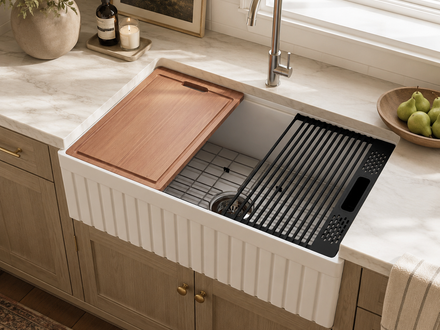
How Far Should a Farmhouse Sink Stick Out?

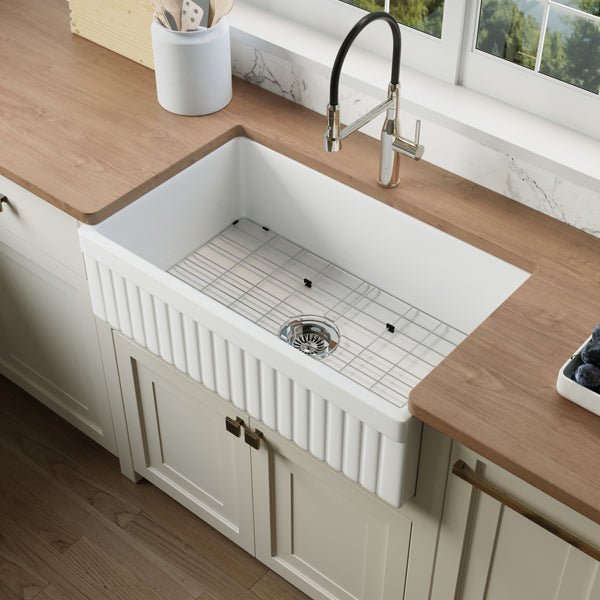
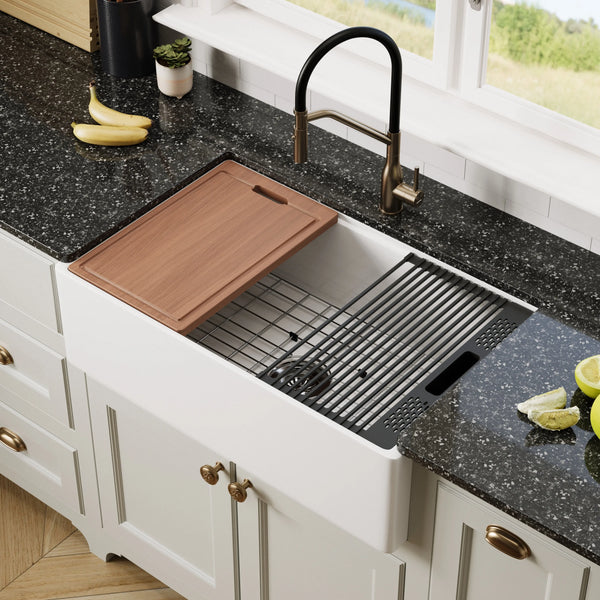
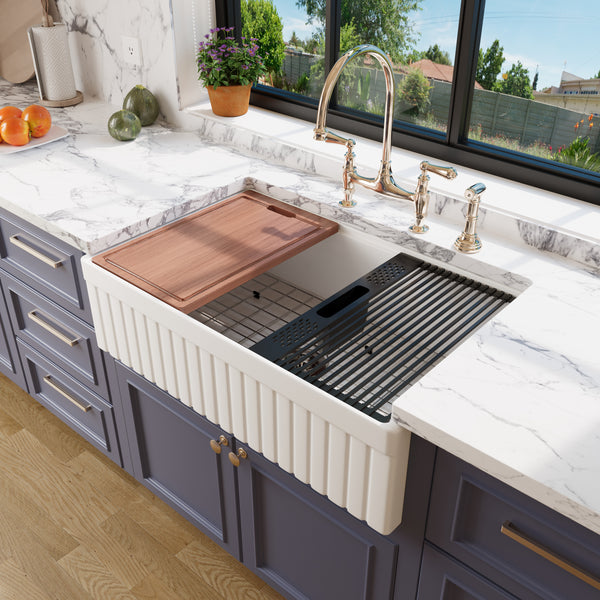
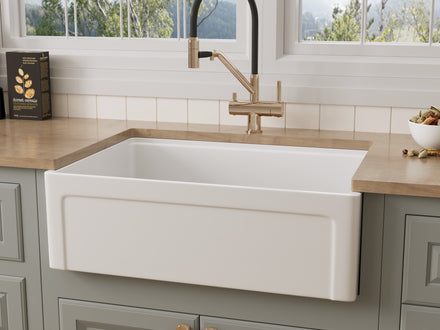
If you are planning a kitchen remodel, one small installation detail can change the whole look of your cabinets: how far should farm sink stick out from the front? The short answer is that a farmhouse sink usually sits flush with the cabinet face or slightly proud of it. In many installations, that means the apron front is close to flush or projects about 0 to 1 inch past the cabinets, depending on the sink design, cabinet structure, countertop edge, and manufacturer instructions.
This matters because the apron front is not just decoration. If the sink sits too far forward, it can look bulky, interrupt the cabinet doors, and feel awkward when you stand at the counter. If it sits too far back, the farmhouse apron may look hidden, and the finished installation may not match the clean apron-front look you expected.
The best position is the one that makes the sink look intentional, keeps the apron visible, supports the sink properly, and works comfortably for daily cooking, washing dishes, rinsing pans, and handling large pots.
Before cutting the base cabinet or templating the countertop, measure the actual sink and dry-fit it in place. Product pictures can help you choose a style, but they should not decide the final cabinet cut, sink reveal, or countertop overhang.
The Direct Answer: Flush or Slightly Past the Cabinet Face
A farmhouse sink is designed to show its apron front. That visible front panel is one of the main reasons homeowners choose this style over a standard kitchen sink.
In most kitchen projects, the sink should sit in one of two ways:
-
Flush with the cabinet face, for a cleaner and more built-in look
-
Slightly past the cabinet face, for a more classic farmhouse appearance
A small reveal usually looks better than a large projection. The sink should not stick out simply for the sake of sticking out. It should line up naturally with the cabinets, countertop, cabinet doors, and surrounding kitchen design.
For most homeowners, the safest target is a flush or slightly proud installation. A stronger projection can work in some custom kitchens, but it needs to be planned carefully with the cabinet maker, installer, and countertop fabricator before any cuts are made.
Direct Answer: Flush or Slightly Past the Cabinet Face
A farmhouse sink is designed to show its apron front. That visible front panel is one of the main reasons homeowners choose this style over a standard undermount kitchen sink.
In most kitchen projects, the sink should sit in one of two ways:
-
Flush with the cabinet face, for a clean and built-in look
-
Slightly past the cabinet face, for a more classic farmhouse appearance
A small reveal usually looks better than a large projection. If the sink sticks too far past the cabinets, it can feel bulky, interrupt the cabinet doors, and reduce standing space at the counter. If it sits too far back, the farmhouse apron may look buried behind the cabinet frame.
The best position is not the one that makes the sink stick out the most. It is the one that keeps the sink visible, balanced, supported, and functional.
What Does “Slightly Proud” Mean for a Farmhouse Sink?
When installers say a farmhouse sink is “slightly proud,” they usually mean the apron front projects a bit beyond the cabinet face. In many installations, this can be close to flush or up to about 1 inch forward.
That number is a guide, not a universal rule. Some sink models, countertop edges, cabinet styles, and installation instructions may call for a different position.
A properly installed farmhouse sink should feel like part of the cabinet run. It should not look like a separate object added after the kitchen design was already finished.
Why There Is No One Perfect Measurement
The exact projection depends on several installation details. This is why two farmhouse sinks of the same large size can still look different once installed.
1. Sink Design and Apron Shape
A smooth apron, fluted apron, rounded front edge, or thicker fireclay body can all affect how the sink appears from the front. Some farmhouse sink designs look best nearly flush, while others benefit from a small reveal.
A deep basin can also make the sink feel more substantial. If the sink is extra deep or visually heavy, pushing the apron too far forward may make the whole base cabinet look unbalanced.
2. Cabinet Construction
Cabinets are not all built the same way. A face-frame cabinet, frameless cabinet, or custom base cabinet can affect where the sink sits.
If you are working with a cabinet maker, confirm the apron position before the cabinet is built or modified. If you are installing a farmhouse sink into existing cabinets, the current cabinet frame and cabinet doors may limit how much adjustment is possible.
This is why the sink should be on site before any major cuts are made.
For more cabinet planning detail, see Nozloo’s guide to fireclay farmhouse sink cabinet size.
3. Countertop Edge and Overhang
Many homeowners confuse sink projection with countertop overhang. They are related, but they are not the same thing.
The sink projection is how far the apron front sits past the cabinet face. The countertop overhang is how far the counter extends beyond the cabinets or around the sink opening.
If you are asking how much overhang is right, the answer depends on the countertop thickness, edge profile, sink rim, and installation style. A thick countertop edge can make a sink look more recessed, while a thinner edge may make the apron appear more prominent.
The front apron should remain visible, and the countertop should frame the sink cleanly without making the installation look crowded.
4. Cabinet Doors and Surrounding Lines
The farmhouse sink should not be viewed alone. It sits between lower cabinets, near cabinet doors, handles, drawer fronts, and surrounding panels.
If the sink sits too far past the cabinet doors, the doors may look recessed. If the sink sits too far back, the apron may lose its farmhouse character.
A good installation keeps the sink, countertop, and cabinet doors visually aligned.
What Happens If the Sink Sticks Out Too Far?
A farmhouse sink that projects too far beyond the cabinets can create both visual and practical problems.
First, it can look oversized. Even a durable, well-made sink may seem awkward if the apron sits too far past the cabinet face.
Second, it can feel uncomfortable during daily use. If the sink projects too much, you may bump into the apron while standing at the counter, washing dishes, rinsing pans, or preparing food.
Third, it can make the cabinet doors look set too far back. The lower cabinets should still feel connected to the sink, not pushed into the background.
Fourth, it can complicate countertop templating. Once the countertop is measured and cut, changing the sink position can become difficult and expensive.
Finally, projection should never replace proper support. A farmhouse sink, especially a fireclay farmhouse sink, needs a strong support frame under the sink body. The visible apron is not designed to carry the full weight by itself.
What Happens If the Sink Sits Too Far Back?
A sink can also sit too far back.
When that happens, the farmhouse apron may look hidden behind the cabinet face. The sink still works, but the style loses impact.
A recessed apron can also make the cabinet cutout look wrong. Instead of appearing planned and built-in, the sink may look squeezed into the space.
There can also be a practical issue. If the countertop and apron are not aligned well, water may drip closer to the cabinet front when someone pulls wet hands forward or washes large dishes. This depends on the sink shape, countertop edge, and user habits, but it is worth checking before installation.
A small forward reveal often solves this problem. The sink looks clearly farmhouse, but it does not overpower the cabinets.
Before You Cut the Cabinet: A Quick Checklist
Use this checklist before installing a farmhouse sink:
-
Measure the actual sink, not only the product page.
-
Check the apron thickness and front shape.
-
Confirm the base cabinet width and front cutout.
-
Make sure the cabinet doors can open properly.
-
Plan the support frame before placing the sink.
-
Review the countertop edge and overhang.
-
Dry-fit the sink before final countertop templating.
-
Check plumbing space, especially if using a garbage disposal.
-
Follow the manufacturer’s installation guide.
This process can save time, money, and rework. Cutting the cabinets before the sink arrives is one of the most common mistakes in farmhouse sink projects.
Fireclay Farmhouse Sinks Need Extra Measurement Care
Fireclay is a common material for farmhouse sinks because it offers a smooth surface, classic apron-front style, and durable daily performance. But fireclay sinks can have slight dimensional variation because they are fired at high temperatures.
That does not mean fireclay is difficult to use. It simply means the actual sink should be measured before final cabinet cuts.
If you choose a Nozloo fireclay farmhouse sink, measure the real sink body, apron front, rim, and drain position before the cabinet and countertop are finalized. This is especially important if the sink is large, extra deep, or paired with custom cabinets.
A good fireclay farmhouse sink installation depends on careful planning, not guesswork.
For a broader overview of this sink style, read Nozloo’s fireclay farmhouse sink guide.

Flush vs. Slightly Proud: Which Look Is Better?
Both can work. The better choice depends on the room, cabinet style, and the final kitchen design.
Flush Farmhouse Sink
A flush farmhouse sink sits nearly even with the cabinet face. This look is clean, simple, and more modern. It works well with flat cabinet doors, simple hardware, and a minimal countertop edge.
Flush does not mean the apron disappears. The farmhouse front still shows, but it feels more built into the cabinets.
Slightly Proud Farmhouse Sink
A slightly proud farmhouse sink sits a bit past the cabinet face. This is often the most natural choice for homeowners who want a classic farmhouse look.
The apron is visible, the sink feels substantial, and the design still works with the surrounding cabinets. For many kitchens, this is the best balance.
Strong Projection
A stronger projection can work in a large kitchen with custom planning, but it is less forgiving. It can make the sink look too large, especially if the cabinet doors, countertop, and apron are not carefully aligned.
For most homeowners, flush or slightly proud is the safer and more functional choice.
Common Mistakes to Avoid
Cutting the Cabinets Too Early
Do not cut the cabinet before the sink arrives. Even small measurement differences can affect the frame, support, countertop cutout, and final reveal.
Copying Product Pictures Exactly
Pictures are useful for inspiration, but they do not show every measurement. A sink may look slightly proud in one photo and almost flush in another because of camera angle, countertop thickness, cabinet construction, or lighting.
Use product photos as a style reference, not a measurement guide.
Ignoring Cabinet Doors
Cabinet doors should still open properly and look aligned after the sink is installed. If the sink sits too far past the doors, the lower cabinets may look recessed. If the sink sits too far back, the apron may lose its farmhouse character.
Forgetting Countertop Thickness
A thick countertop edge can change the visual relationship between the sink and cabinets. The sink may need to sit slightly forward to keep the apron visible and balanced.
Not Checking Under-Sink Space
A deep basin, drain location, plumbing, and garbage disposal can all affect the space below the sink. Check these details before installation, especially in a smaller base cabinet.
Assuming Every Farmhouse Sink Installs the Same Way
A farmhouse sink can be fireclay, cast iron, stainless steel, or another material. It can be smooth, fluted, single bowl, double bowl, undermount, or workstation style. The installation should match the actual sink.
If you are still comparing sink terminology, Nozloo’s guide on farmhouse sink vs apron sink explains the difference.
Practical Example: Why a Small Reveal Often Works Best
Imagine a homeowner installing a 33-inch farmhouse sink in a kitchen with shaker cabinet doors and a simple countertop edge.
If the sink is pushed too far forward, the apron may dominate the lower cabinets. The cabinet doors can look set too far back, and the sink may feel too close while washing dishes or rinsing large pots.
If the sink is installed too far back, the apron may look hidden. The homeowner may not get the farmhouse style they expected.
A slightly proud position often works best. The sink sits just past the cabinet face, the apron is clearly visible, and the countertop frames the sink without making it look crowded.
This is why the right answer is not only about a number. It is about how the sink, cabinets, countertop, and room work together.
Final Answer: How Far Should Farm Sink Stick Out?
A farmhouse sink should usually sit flush with the cabinet face or slightly past it. In many installations, the apron front may sit close to flush or project up to about 1 inch past the cabinets, but the final position should always follow the sink design, cabinet construction, countertop overhang, and manufacturer instructions.
The sink should not stick out so far that it feels bulky or interferes with cabinet doors. It also should not sit so far back that the farmhouse apron looks hidden.
Before installing, measure the actual sink, dry-fit it in the base cabinet, confirm the support frame, check the countertop edge, and make sure the cabinet doors open cleanly.
A well-installed farmhouse sink should look intentional, feel comfortable at the counter, and work well for daily cooking, dishes, water cleanup, large pots, and pans.
Still choosing the sink? Every 33-inch fireclay farmhouse sink we make lists apron height and overall depth on its spec sheet.
FAQs
Should a farmhouse sink stick out past the cabinets?
Yes, a farmhouse sink can sit slightly past the cabinets. Many installations use a small forward reveal to show the apron front. However, the sink should not project so far that it looks bulky or affects cabinet doors.
Can a farmhouse sink be flush with the cabinet face?
Yes. A flush farmhouse sink can look clean and built-in, especially in a modern kitchen. The apron front remains visible, but it lines up closely with the cabinet face.
How much should a farmhouse sink stick out?
Many farmhouse sinks are installed flush or slightly proud, often around 0 to 1 inch past the cabinet face when the design allows. The exact amount depends on the sink, cabinets, countertop, and manufacturer guide.
Should the countertop overhang a farmhouse sink?
The countertop should be planned around the sink style and apron front. Side and back edges usually frame the sink, while the front apron remains visible. The countertop should not hide the farmhouse apron or create an awkward edge.
Do fireclay farmhouse sinks need custom cabinet cuts?
Often, yes. Fireclay farmhouse sinks are heavy and may have slight dimensional variation, so the cabinet cutout should be based on the actual sink. Avoid cutting the cabinet before the sink arrives.
Should the sink be installed before countertop templating?
Yes. The sink should be dry-fitted or set in its final position before countertop templating whenever possible. This helps the fabricator measure the true sink location, cutout, edge, and overhang accurately.
Before you commit, it helps to know the common farmhouse sink buying mistakes so you can avoid them.